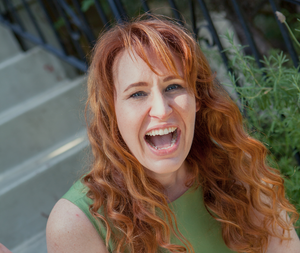
Healing Religious Trauma and Building a Private Practice: Cassidy on Therapy, Faith, and Writing
So, you dream of growing your private practice. Maybe you want to work with those tough trauma cases, or you’re seeking a spark for your next chapter. Or maybe, like today’s guest Cassidy, you’re in the Utah mountains, wondering, “Could I build something bigger? Could I bring my story to life in a book?” (Spoiler: Yes. And you don’t need a publishing empire or a team of ghostwriters to do it.)
If you’ve ever wondered how “real therapists” leap from the world of clinical sessions to full-fledged authorship, group practice leadership, and a platform for their unique voice, this is the success story for you. This episode is a playful, open-hearted look behind Cassidy’s journey, including how she built a thriving group practice, navigated religious trauma work, and ultimately wrote “Becoming Me, Unraveling and Healing the Sacred Wounds of Religious Trauma in Women.”
Ready for some hard-won lessons, a dash of mountain air, and a few laughs? Let’s dig in.
Lesson 1: The Path Is Paved With Small Steps…and a Little Serendipity
Let’s get honest: Career trajectories for therapists rarely look linear, even if you’re organized (or, like Cassidy, diagnosed with adult ADHD along the way). Cassidy’s journey started in a classroom, teaching algebra. “I learned that I wasn’t teaching them math, I was teaching them that they could do math. So I went back to school to become a therapist to help more people learn how to do what they could do.”
Pivoting from teaching to therapy is a lesson in following what matters to YOU - process, not just content. And for Cassidy, it wasn’t about grand plans or a magic moment:
“I kept just taking each step of my career to kind of the next level. I got really comfortable being a therapist, then I became a trauma therapist, and then I had to do my own trauma work. And then I moved into private practice... I just kind of kept building it.”
Takeaway: Your journey doesn’t need to be mapped out on Day One. The important part is giving yourself permission to follow your interests, grow where you’re drawn, and take the next step, again and again.
Lesson 2: Private Practice Grows When You Back Yourself (Not Just Your Clients)
Cassidy didn’t just grow her knowledge, she grew her ecosystem. That meant moving into private practice, specializing in trauma, then eventually religious trauma in the heart of Utah’s LDS community.
Cassidy’s advice for anyone building a practice?
“First of all, finding out how to get myself help first. Right. So outsource all the things that I don’t like or don’t want to do or like. My brain’s like, I’m never touching that again.”
Cassidy delegated early, first with virtual assistants (VAs), administrative help, and, as the practice grew, building a leadership team: “Finding the right people that see my vision and want to be in this kind of world with me and create what we’re creating together…becoming a good manager, which we don’t talk about in therapy world either.”
For growing group practices, Cassidy’s key lesson is to be thoughtful about leadership, boundaries, and delegation. Each time her group expanded, Cassidy hired and developed new leaders, freeing herself up for more creative work (like writing her book!).
Tip: Don’t fall for the “I’ll do it all myself” trap. Grow your infrastructure as you grow your business. Learn what you should continue doing and what someone else can do better, quicker, or with far less dread.
Lesson 3: “You Grow, And Your Practice Must Change With You”
Here’s a truth they don’t tell you in grad school: what worked for you as a clinician or solo practice owner may not serve you as you step into group leadership, creativity, or advocacy. Cassidy’s story is a blueprint for evolving your business alongside your personal transformation.
From comfortable clinician to trauma specialist to “accidental” group practice owner and then “visionary,” Cassidy notes, “As my teams grew, it’s really about reorganizing what my role is in that leadership team.” At 40 therapists and multiple locations, Cassidy couldn’t possibly know (or hire) each intern herself: “It’s a big change. And it’s part of the change that has to happen for you to be able to like, move into this different role, this visionary role.”
Takeaway: Expect your practice and your daily work to change as you step up. Don’t be afraid of handing off those tasks that used to define you, your impact can grow as you let go.
Lesson 4: Mindset Shift! It’s Okay to Launch Without a Guaranteed Payoff
Therapists are trained to think in terms of ROI, billable hours, and sustainable change. So, when Cassidy dove into writing her book, “Becoming Me,” she admits, “This book is probably the least income stream-oriented thing I’ve done recently… to me, it feels like a launching pad into like the next level of my career. It allows me to just speak… and start to put a voice in my story in somewhere that doesn’t have a voice yet.”
Let’s get real, sometimes the “side project” isn’t about instant cash. Sometimes it’s about the next evolution of your narrative, the next stepping stone in your career, or the act of creating something you literally can’t stop thinking about: “I just couldn’t stop thinking about it. I had to get it out of my head at some point.”
Tip: The “why” behind your creative projects might not be a dollar sign. Consider what you’re longing to say, what new directions excite you and don’t wait for permission. The ripple effects in visibility, speaking, and career trajectory might surprise you.
Lesson 5: Writing a Book Is Messy, Somatic Work
Did you think an author-therapist would have a perfectly mapped writing routine? Think again. Cassidy laughed at the popular writing advice (“20 minutes a day,” “one retreat and you’re done”). For her, the creative process was deeply emotional and high-maintenance:
“I couldn’t write until I said my big story out loud. There was nothing else I could write till that got out of me. And that took months because I’m like, oh, yeah, I know my story… But I never sat down to write it.”
What cracked it open? Speaking her story out loud on a retreat with trusted friends, not a solitary desk marathon. Suddenly, three chapters rolled out, and months of hyperfocus followed. “My brain couldn’t think about anything else.”
Writing, especially about trauma, is more than keyboard discipline. It’s relational, intuitive, and sometimes just showing up for the mess of emotions that surface. “There’s something… I think it’s funny to say spiritual in the midst of what you’re talking about. Yes, I think it is. But it’s very much that spiritual feeling. Right. Of being in the zone and, like, being in the flow…”
Takeaway: Your creative process isn’t supposed to look like anyone else’s. Maybe you need to speak, walk, emote, or collaborate before you can write. Trust the process, even if it’s surprising.
Lesson 6: Lean on Your Support System - Personal and Professional
During the whirlwind of writing, Cassidy’s relationships were tested. Supporting family leaned in; other friendships pressed pause. “My kids missed me a lot… my husband was really supportive and really able to kind of step up. But by the time I got through those few months, though, he was exhausted and was like, no, like, your take back on some things… you gotta, like, come back around.”
Cassidy’s office and friendship circles were flexible, but boundaries matter, even in seasons of creative flow.
Tip: Give yourself permission for temporary imbalance during big creative projects, but set expectations with others and have a plan for returning to equilibrium. Allow support, and give support back.
Lesson 7: Marketing Is Its Own Adventure And It’s Not Just About Book Sales
Once the book is published, the real work begins. Cassidy’s “Becoming Me” is out in the world (Amazon, Barnes and Noble, local stores!), but getting eyes on it means podcasts, speaking gigs, book signings, and navigating the world of SEO and AI.
Cassidy notes that marketing and connection go hand-in-hand - reaching out to podcasts, speaking to therapist peers, and joining communities. “It’s just really been fun to see how well it’s been accepted and people want to talk about it and people want to hear it.”
She also developed practical strategies for marketing via SEO and connecting with community-based organizations, both for fellow therapists and for those living the stories she writes about. For those considering a book or other big creative leap, her experience is proof: Sharing your work is as relational as anything we do in therapy.
Tip: Don’t wait for your work to “sell itself.” Connect with your communities (professional AND client-facing), pitch yourself to relevant podcasts and events, and don’t be shy about asking for introductions or marketing advice. Leverage both online platforms and local connections.
Lesson 8: Unraveling Trauma Means Facing Your Own ( And Your Clients’) Religious Stories
Cassidy’s book is about religious trauma, particularly for women in high-demand religions like the LDS church. She paints a vivid picture: “It’s one thing to understand trauma and to understand women, but it’s another thing to understand the depth of what it’s like to be in a religion where you are told who and what to be from the very beginning.”
Cassidy notes how difficult it can be for both therapists and clients to deconstruct not only beliefs but entire identities: “They haven’t had any chance to develop that sense of self…that sense of trusting themselves or knowing themselves or even knowing what their wants or their needs are…”
For any therapist considering expanding into niche work, community-based trauma, or spiritual deconstruction, Cassidy’s insight is essential: Know your own relationship to faith, so you don’t unintentionally harm or block your clients’ growth.
Takeaway: The deeper you go into specialized work, the more you need to understand your own place in the story - your own biases, your own triggers, your own boundaries. This is especially important with religious trauma and deep cultural pain.
Lesson 9: Celebrate Your Milestones (And Use Them to Help Others!)
After the book was published, Cassidy’s mother read the whole thing in one sitting, on Cassidy’s couch, an unforgettable moment. Peers started texting, “My client brought your book into session, and it’s highlighted. The whole thing is highlighted.” Others refer it again and again.
If you’re emerging into authorship or a creative project, don’t miss the magic of these moments. Let them affirm your effort, encourage you through the next big leap, and inspire others on their own journey.
Tip: Sharing your work multiplies its impact. Consider launching a book club, creating resources for fellow clinicians, or hosting conversations in your community. Your milestones fuel others’ growth and your own.
Ready for Your Next Chapter?
Here’s Cassidy’s pitch for “Becoming Me, Unraveling and Healing the Sacred Wounds of Religious Trauma in Women” and it’s really a message for you, too:
“This book will walk you through that whole story and includes a section with ideas on where to start, what to do, and how to begin the process of unraveling and healing. It also includes a fourth chapter specifically for therapists. I’ve been teaching therapists how to work with religious trauma since before COVID—over six years now. There are many things we have to learn about ourselves in relation to religion, and most of us don’t understand our relationship to religion outside of our faith in religion.”
Cassidy’s journey from mountain town therapist to group practice owner, supervisor, trainer, and author is proof: Your private practice can evolve into anything you want, if you’re willing to keep growing and keep showing up.
Top Takeaways for Building Your Practice
Growth is messy and non-linear: follow the process!
Don’t DIY forever. Get help, delegate, and build a team.
Your next creative project may not make money at first, but it can fuel your next leap.
Build support systems (professional and personal) into every big chapter.
Get real about your own beliefs, triggers, and stories - especially in specialized or trauma work.
Celebrate milestones! Your wins help others find the courage to leap.
Resources Mentioned:
“Becoming Me, Unraveling and Healing the Sacred Wounds of Religious Trauma in Women” (available on Amazon, Barnes & Noble, and select local bookstores)
Business School for Therapists at ZynnyMe
Here’s to your unpredictable, messy, beautiful next chapter!